Worm Infestations: Awareness and Educational Insights
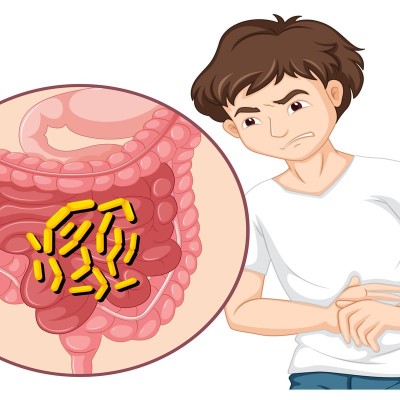
Worm infestations are often discussed in health education as part of broader awareness about environmental hygiene and sanitation. Worms, also known as helminths, are organisms that may enter the human body through contaminated sources such as soil, food, or water. Educational discussions focus on understanding their origin and how exposure can occur.
These organisms are commonly found in areas with warm climates, limited sanitation infrastructure, or inadequate water treatment systems. However, awareness is important everywhere, as global travel and food distribution increase exposure possibilities across regions.
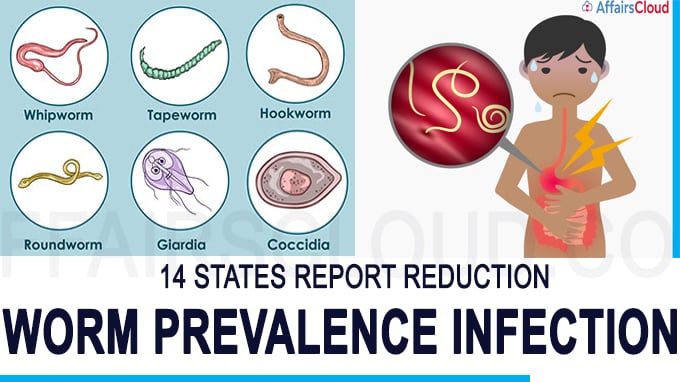
Educational resources about worm infestations usually explain how these organisms survive in different environments. Their lifecycle often includes stages outside the human body, making environmental cleanliness a significant factor in reducing exposure risks.
Hygiene awareness is central to educational messaging. Washing hands thoroughly, especially before meals, and maintaining cleanliness in food preparation areas are commonly recommended habits. These practices are widely promoted as part of general health education and environmental awareness.
Another aspect often discussed is food safety. Proper washing and preparation of fruits and vegetables are emphasized in educational content to reduce exposure to environmental contaminants. Cooking food at appropriate temperatures is also part of general food hygiene education.
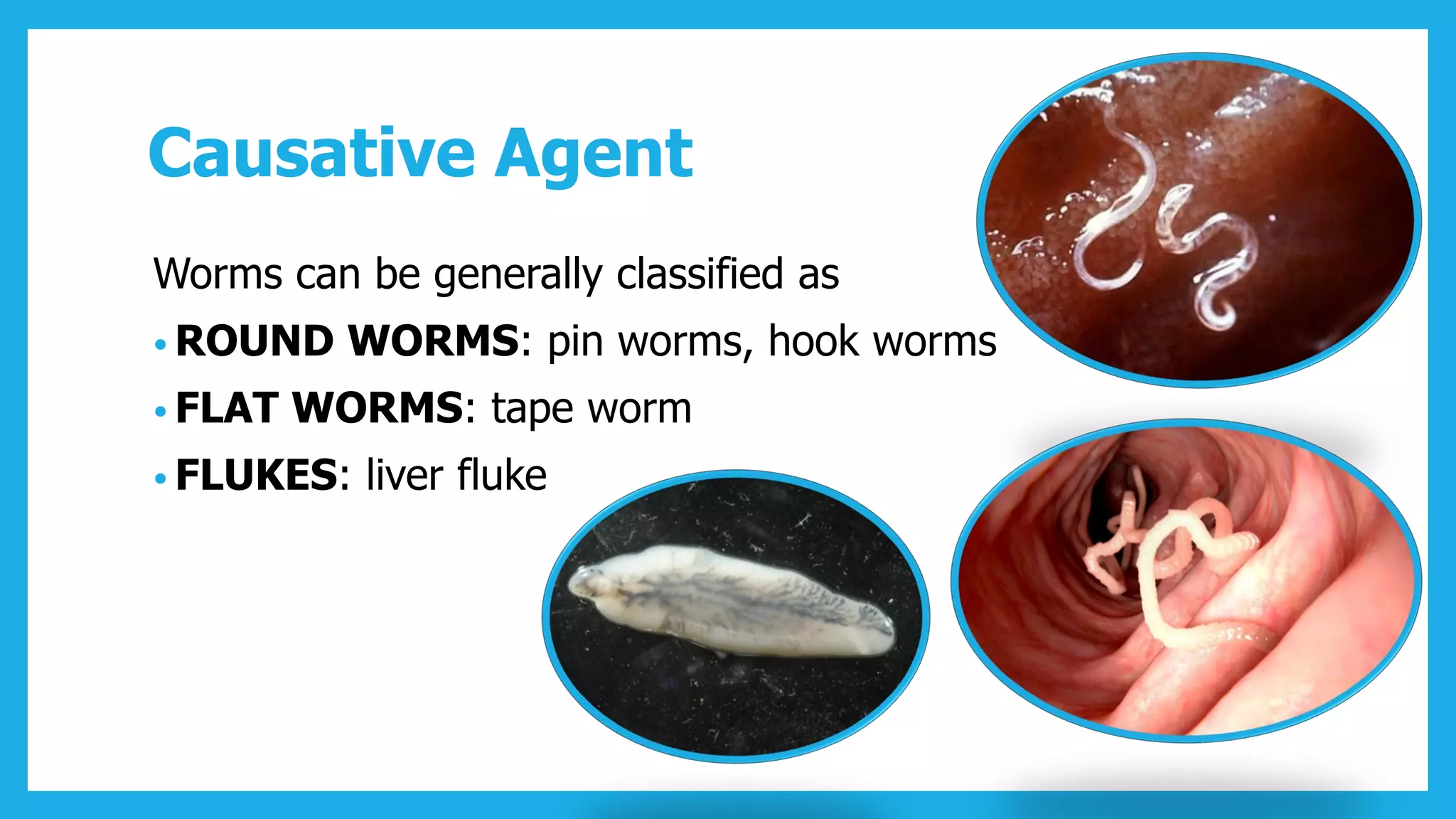
Researchers continue to study how worm infestations interact with environmental factors such as soil quality, climate, and water sources. These studies help inform public awareness campaigns and educational initiatives rather than promoting specific interventions.
Understanding worm infestations from an informational perspective allows people to be more mindful of their surroundings and daily habits. Education empowers individuals to make choices that support overall wellness and hygiene awareness.
It is important to remember that informational articles are designed to increase understanding, not to offer medical guidance. Anyone with concerns should seek advice from qualified professionals.