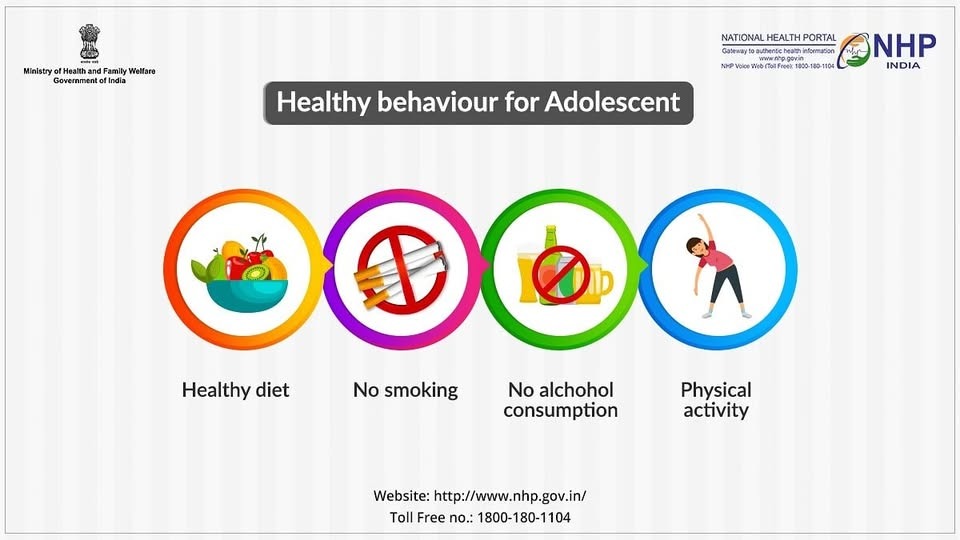
Health Awareness and Preventive Lifestyle Practices
Health awareness focuses on understanding how daily habits, environment, and lifestyle choices influence overall well-being. Educational content emphasizes prevention through awareness rather than addressing medical outcomes.
Topics such as hygiene, nutrition, physical activity, and environmental cleanliness are central to public health education. These areas help individuals develop routines that support long-term wellness.
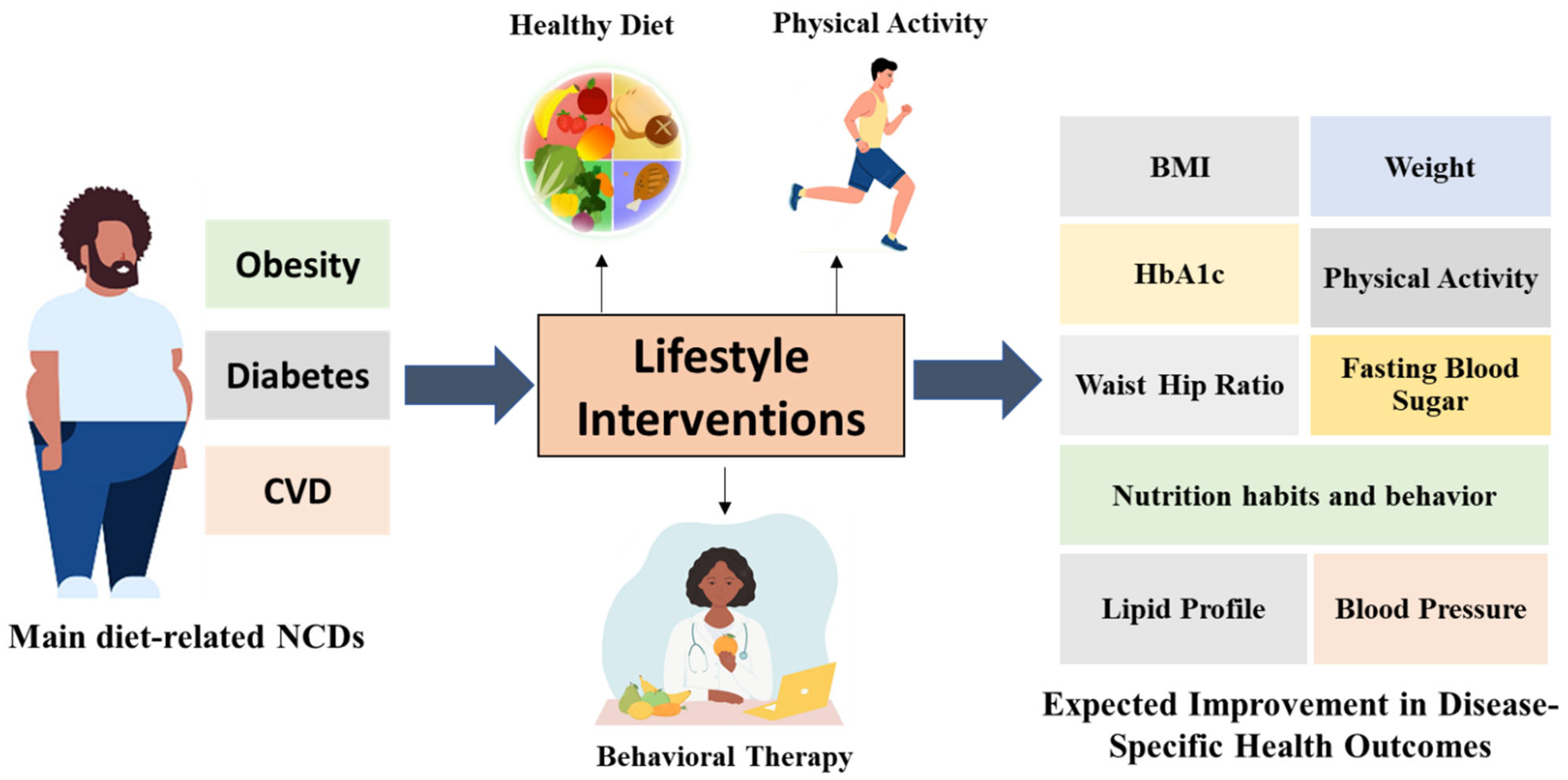
Awareness campaigns often highlight the importance of learning about environmental exposure, including air quality, food safety, and water hygiene. These factors are interconnected and influence daily life.
Research in health awareness continues to examine how education and lifestyle choices impact communities. The goal is to promote informed decisions and responsible habits.

Educational content serves as a foundation for understanding health-related topics without offering diagnosis or medical guidance. It empowers individuals with knowledge and encourages proactive awareness.
Digestive Health and Environmental Influences
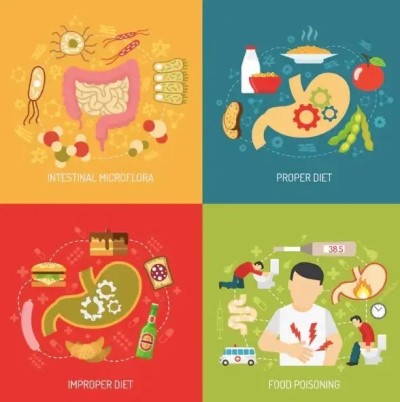
Digestive health is a topic often discussed in educational materials related to lifestyle and environmental factors. Awareness focuses on how food choices, hygiene, and daily habits influence digestive comfort and overall wellness.
Educational discussions emphasize balanced nutrition, hydration, and mindful eating habits. These topics are commonly included in general wellness awareness campaigns and lifestyle education.
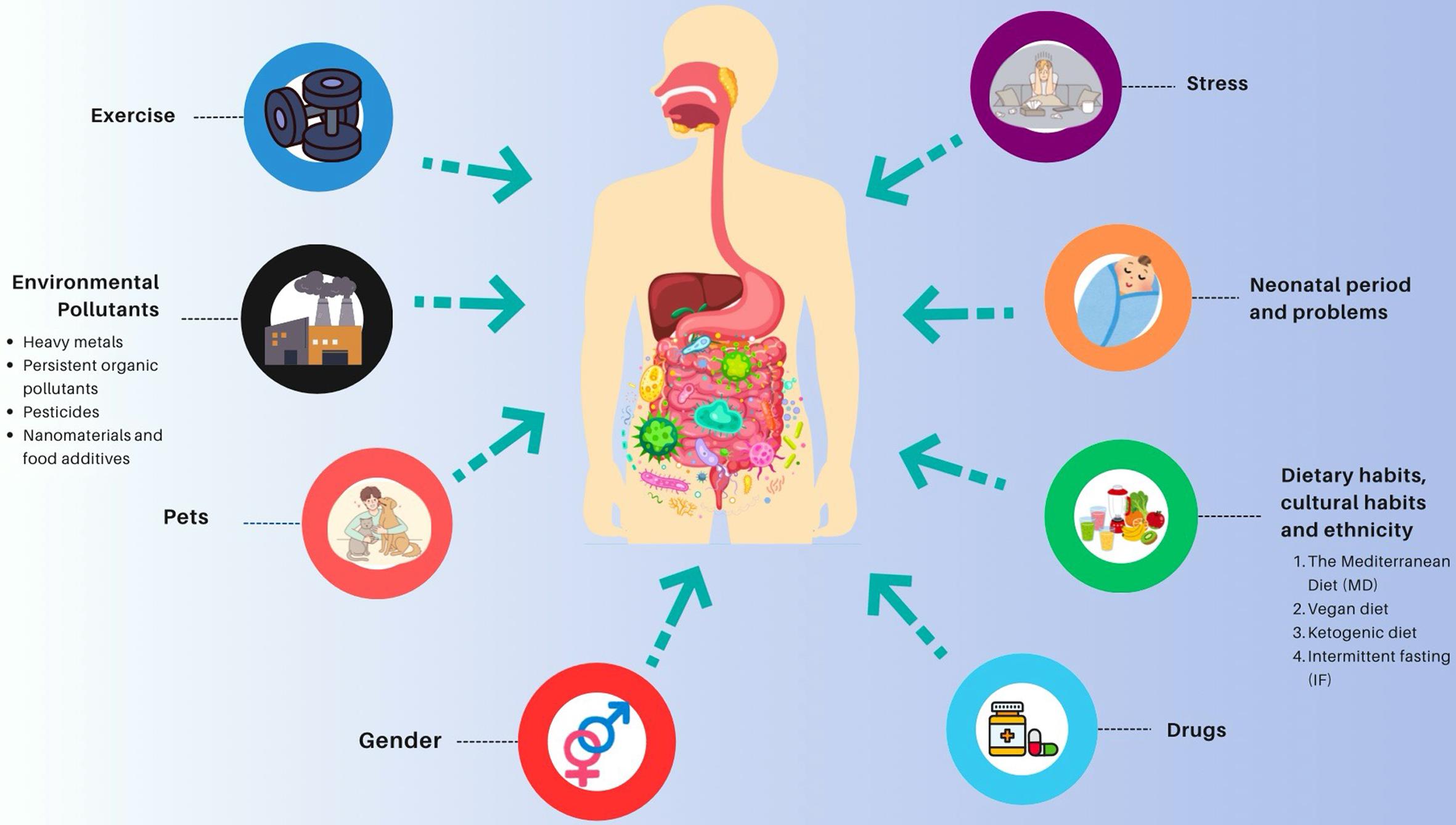
Environmental factors such as water quality and food handling practices are also highlighted. Access to clean water and safe food preparation methods are essential components of digestive health awareness.
Research into digestive health often explores how different environments and dietary patterns affect digestion. These studies contribute to public understanding and awareness rather than offering medical advice.
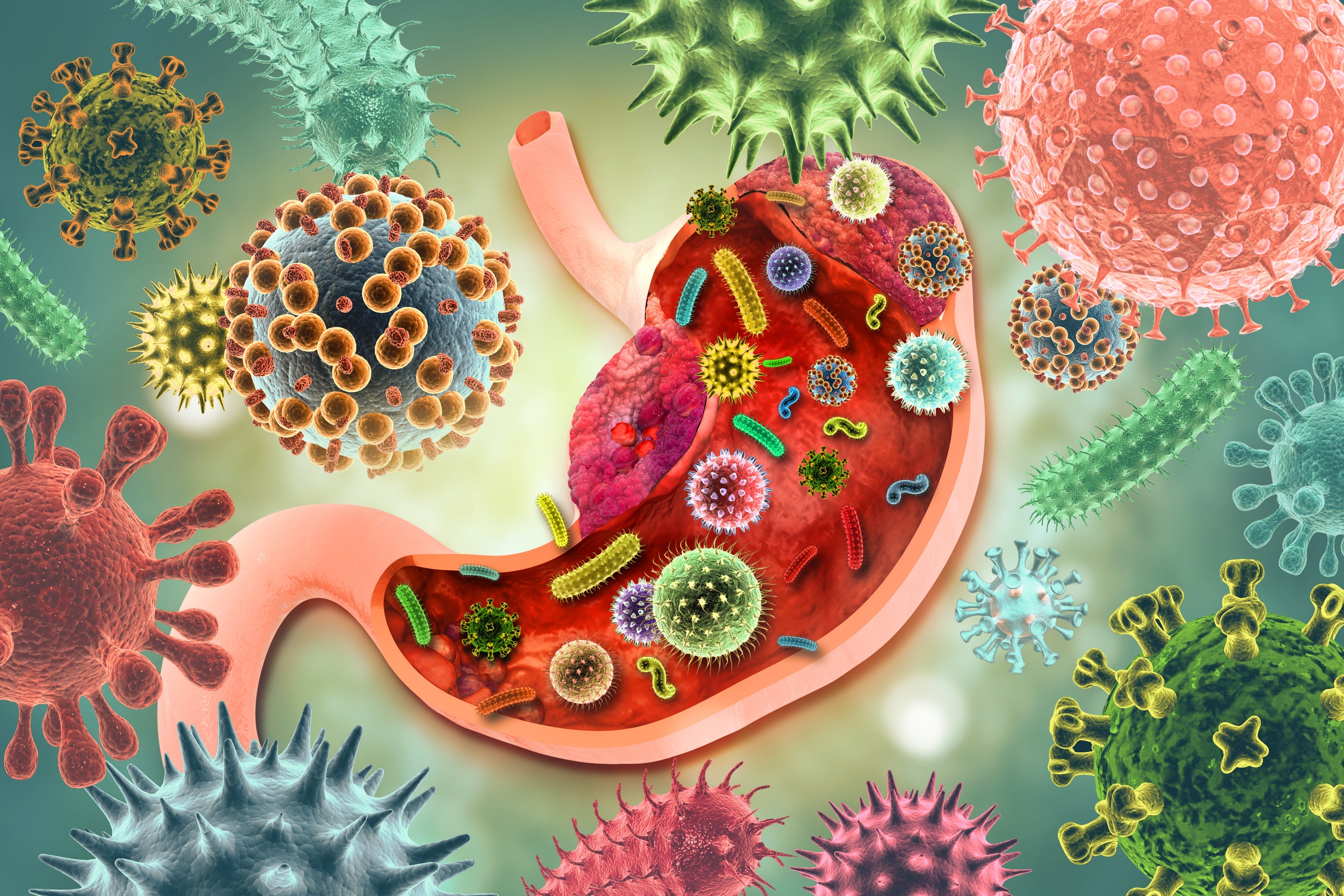
Educational content encourages people to pay attention to their daily routines and environmental exposure. This awareness supports informed lifestyle choices and long-term wellness.
Allergies: Understanding Environmental and Lifestyle Factors
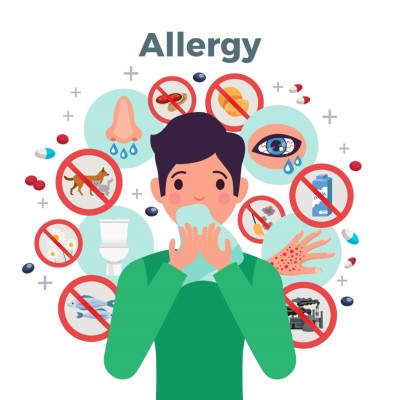
Allergies are commonly discussed in health education as reactions linked to environmental and lifestyle factors. They occur when the body responds sensitively to certain substances such as pollen, dust, foods, or environmental particles. Educational content focuses on understanding triggers rather than outcomes.
Environmental conditions play a significant role in allergy awareness. Seasonal changes, air quality, and indoor environments are frequently discussed in educational resources. Understanding these factors helps individuals recognize patterns and make informed lifestyle adjustments.
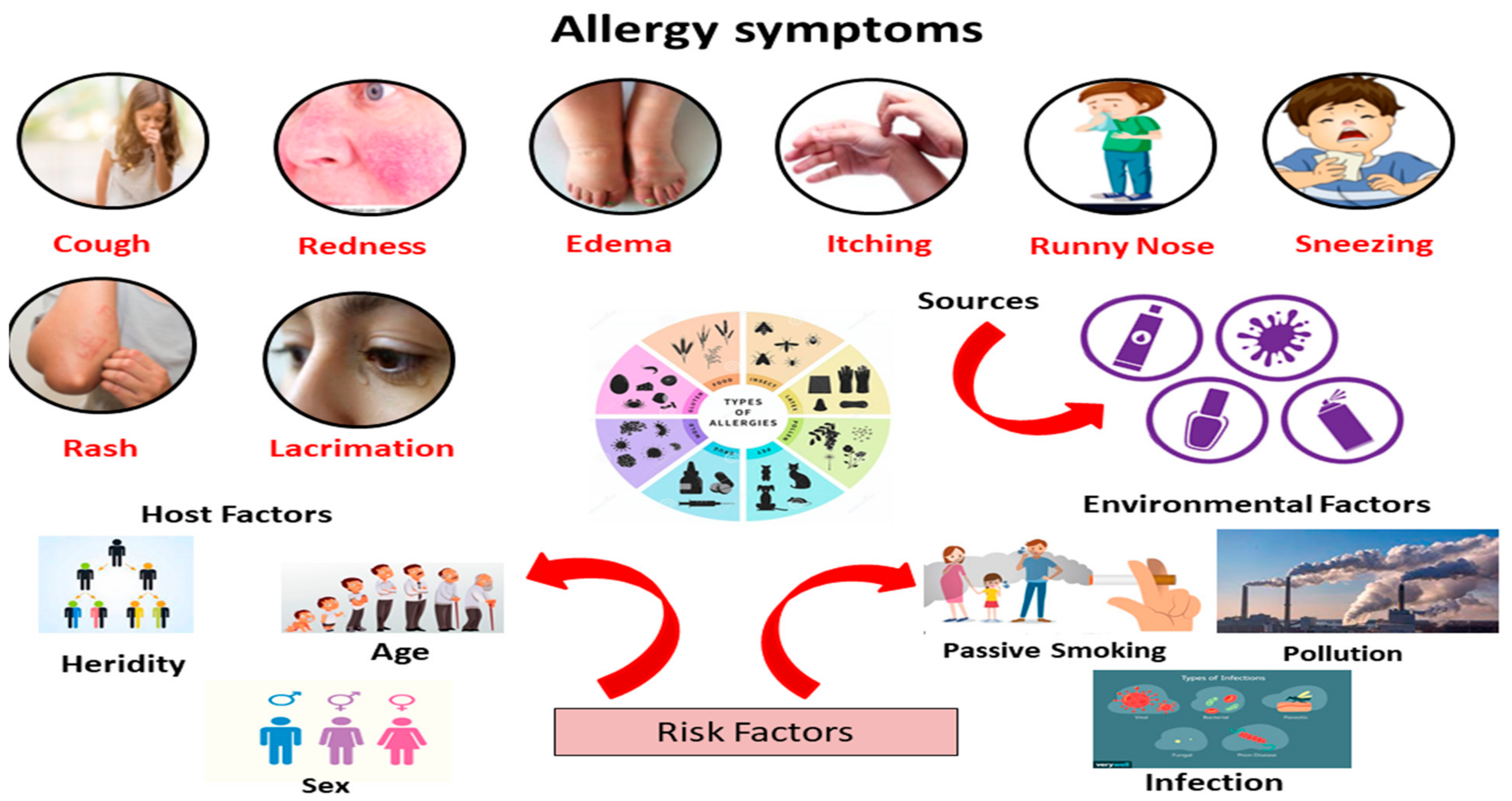
Lifestyle awareness is another important aspect. Clean living spaces, proper ventilation, and awareness of environmental triggers are often highlighted in educational discussions. These measures are part of general wellness education rather than targeted medical guidance.
Food-related sensitivities are also included in allergy awareness materials. Reading food labels and understanding ingredients are commonly promoted practices. This type of information supports informed decision-making and consumer awareness.
:max_bytes(150000):strip_icc()/food-allergies-causes-and-risk-factors-4685818_FINAL-243a580ea8e14b51a8dd802ecb2326e3.jpg)
Research continues to explore how environmental changes, pollution, and lifestyle habits influence allergic responses. These studies contribute to broader understanding and public awareness initiatives.
Educational content about allergies aims to provide clarity and awareness, not solutions or interventions. Learning about common triggers helps people better understand their environment and personal sensitivities.
Worm Infestations: Awareness and Educational Insights
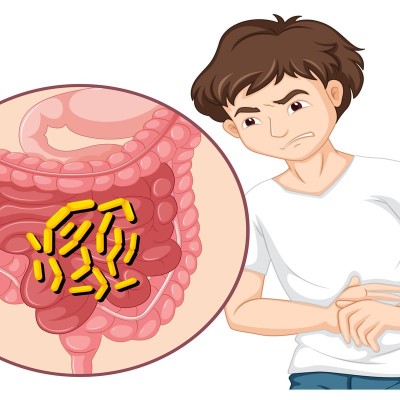
Worm infestations are often discussed in health education as part of broader awareness about environmental hygiene and sanitation. Worms, also known as helminths, are organisms that may enter the human body through contaminated sources such as soil, food, or water. Educational discussions focus on understanding their origin and how exposure can occur.
These organisms are commonly found in areas with warm climates, limited sanitation infrastructure, or inadequate water treatment systems. However, awareness is important everywhere, as global travel and food distribution increase exposure possibilities across regions.
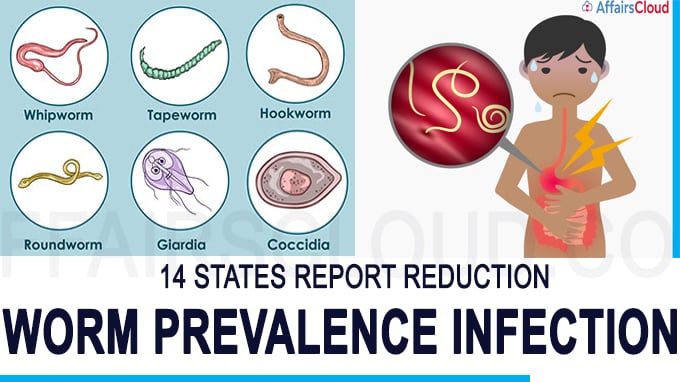
Educational resources about worm infestations usually explain how these organisms survive in different environments. Their lifecycle often includes stages outside the human body, making environmental cleanliness a significant factor in reducing exposure risks.
Hygiene awareness is central to educational messaging. Washing hands thoroughly, especially before meals, and maintaining cleanliness in food preparation areas are commonly recommended habits. These practices are widely promoted as part of general health education and environmental awareness.
Another aspect often discussed is food safety. Proper washing and preparation of fruits and vegetables are emphasized in educational content to reduce exposure to environmental contaminants. Cooking food at appropriate temperatures is also part of general food hygiene education.
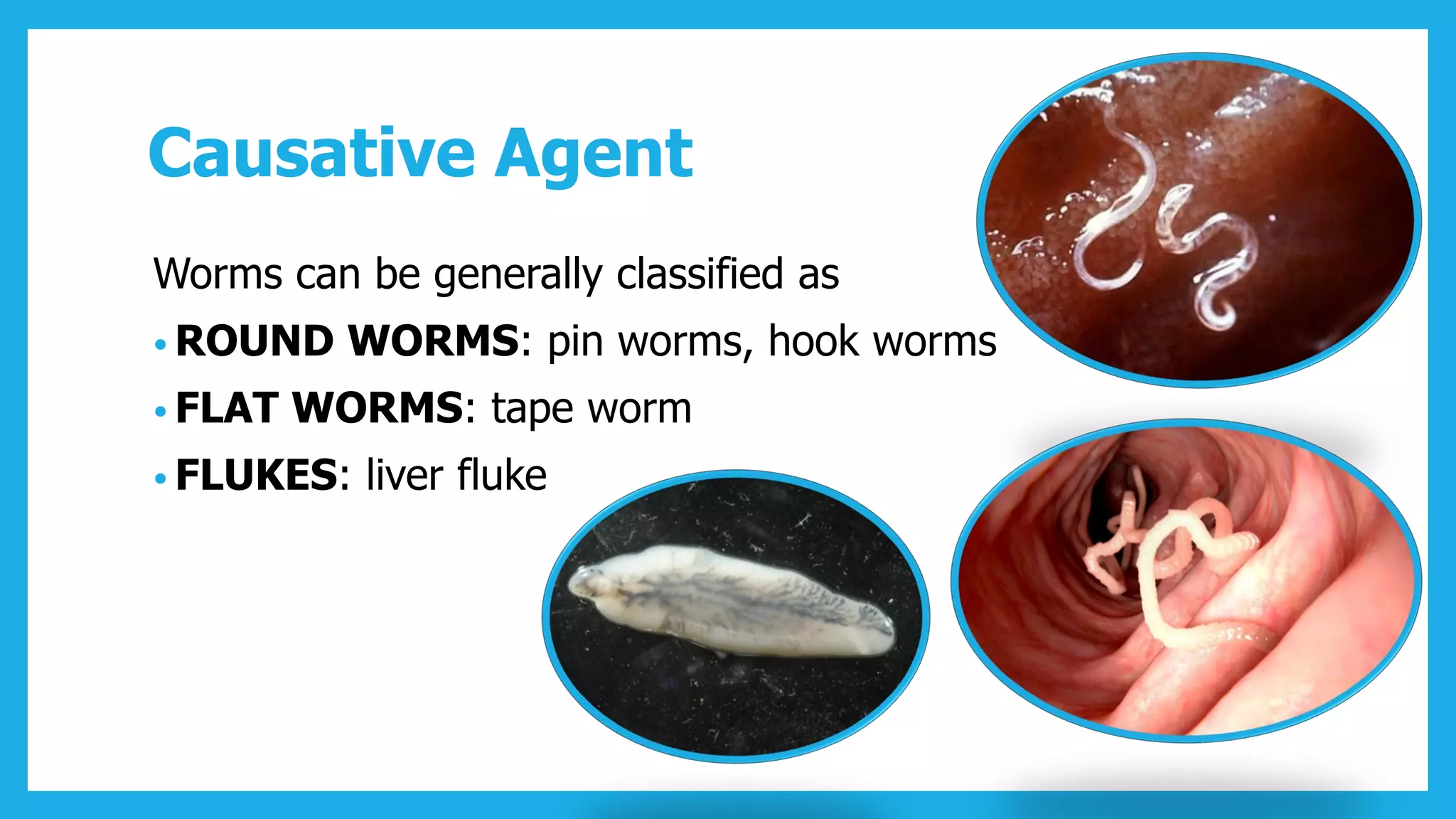
Researchers continue to study how worm infestations interact with environmental factors such as soil quality, climate, and water sources. These studies help inform public awareness campaigns and educational initiatives rather than promoting specific interventions.
Understanding worm infestations from an informational perspective allows people to be more mindful of their surroundings and daily habits. Education empowers individuals to make choices that support overall wellness and hygiene awareness.
It is important to remember that informational articles are designed to increase understanding, not to offer medical guidance. Anyone with concerns should seek advice from qualified professionals.

Understanding Parasitic Infections: An Educational Overview
Parasitic infections are a topic of global interest due to their impact on human health, hygiene, and environmental conditions. Parasites are organisms that live in or on another organism and rely on that host for survival. These organisms can be found in many regions of the world and are often associated with environmental exposure, sanitation conditions, and food safety practices.
Parasitic organisms vary widely in size and structure. Some are microscopic, while others can be visible to the naked eye. They may enter the human body through contaminated food, water, soil, or contact with infected surfaces. In some cases, parasites are transmitted through insects or animals, making environmental awareness an important factor in understanding their presence.
From an educational perspective, parasitic infections highlight the importance of hygiene, clean water access, and food handling practices. Many public health organizations focus on awareness programs that explain how parasites interact with their environment and how individuals can reduce exposure risks through everyday habits.
Common discussions around parasitic infections often involve the digestive system, as many parasites are associated with food or water intake. However, parasites can also affect other areas depending on their lifecycle and environmental conditions. This is why educational content often emphasizes learning about transmission pathways rather than focusing on outcomes.
Research and academic studies continue to explore how parasites adapt to different environments and hosts. These studies aim to improve understanding of parasite behavior, lifecycle stages, and interaction with human biology. Such knowledge is valuable for public health education and environmental research.
Preventive awareness plays a key role in minimizing exposure. Simple actions such as washing hands, consuming clean water, properly cooking food, and maintaining clean living spaces are commonly highlighted in educational materials. These practices are part of general health awareness and are promoted worldwide.
It is important to note that informational content about parasites is intended to increase knowledge and awareness. It does not replace professional guidance or medical consultation. Learning about parasites allows individuals to make informed decisions about hygiene, travel precautions, and food safety.
As global travel increases, understanding parasitic infections from an educational standpoint becomes even more relevant. Awareness helps people better understand environmental differences and adapt safely when visiting new regions.